The Junk Drawer Audit: What 63 Cables Taught Me About My Own Consumption
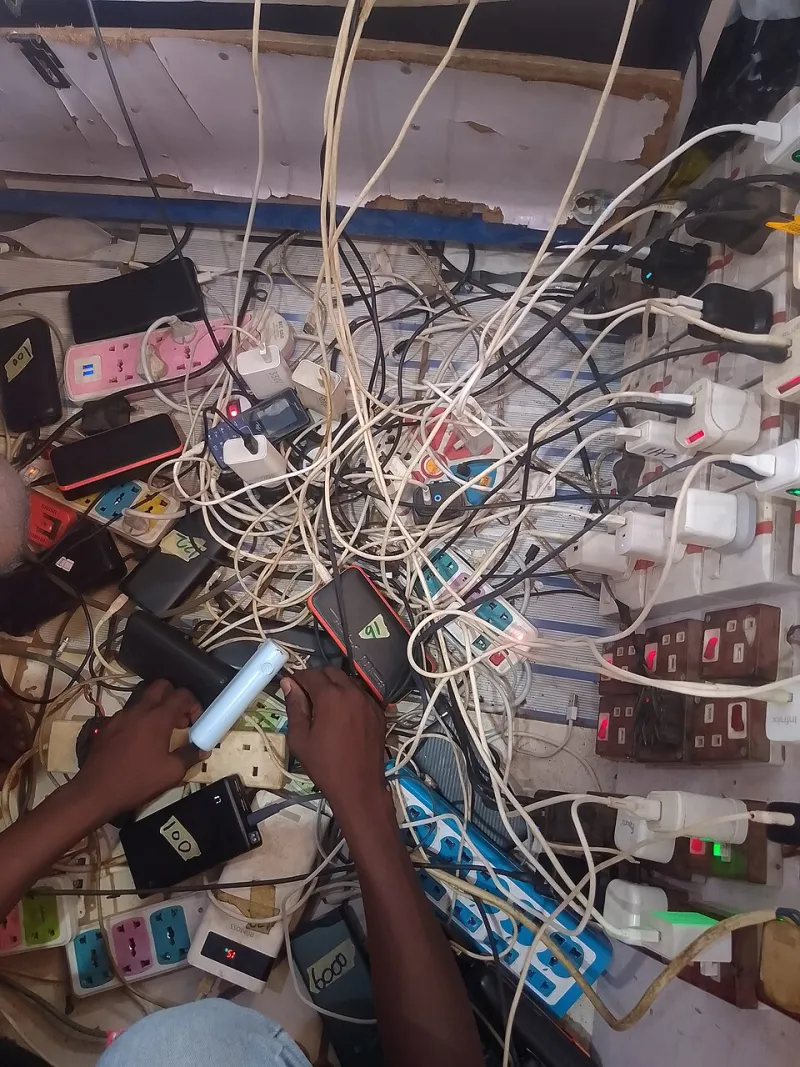
Photo: 10kdollz, CC BY-SA 4.0, via Wikimedia Commons
There's a drawer in my kitchen that has never once held silverware. It holds cables. Charging bricks, USB-A to who-knows-what, a composite video adapter for a TV I donated in 2016. Last weekend I finally snapped, dumped the whole thing on the dining room table, and did what any reasonable tech writer would do: I made a spreadsheet.
Sixty-three cables. That's not a typo. And that count didn't even include the ones I found later, lurking behind the couch and in a box marked "misc cords" in the garage — a box label that is, itself, a confession.
The Rules of the Audit
Every cable got logged with three data points: what it's for (or my best guess), whether it still works, and whether I've used it in the last twelve months. Testing was simple — anything with a USB end got plugged into a charger with a phone or a cheap multimeter attached. Proprietary connectors got the eyeball test plus a wiggle check for the dreaded exposed copper.
The results broke down like this: 31 cables in active use, 14 that work fine but haven't been touched in over a year, 11 that are dead or frayed, and 7 that I genuinely could not identify. Not "wasn't sure about." Could not identify. One of them appears to be a proprietary charger for a fitness tracker from a brand that no longer exists.
The $400 Drawer
Here's the part that stung. I priced replacements for everything on a big-box store shelf — the same items, new. USB-C to C cables at $15 a pop, HDMI cords, dongles, wall adapters. The total for my drawer's contents came to roughly $400.
That's $400 of stuff I already own, buried under a decade of impulse purchases, bundled accessories, and the slow accumulation of every gadget I've ever bought. Each individual cable cost almost nothing, which is exactly how they multiply. Nobody budgets for cables. They just arrive, like barnacles.
The flip side: of the 11 dead cables, most were cheap no-name units that probably never worked well. The braided and brand-name stuff? Nearly all of it still functional. The lesson writes itself — the $8 cable outlives the $3 one by years.
What's Worth Keeping
After the audit, I kept a deliberately boring kit: two spare USB-C cables, one Lightning (for the last holdout Apple device in the house), one micro-USB (for the scale, the one device that refuses to modernize), a single HDMI, and one USB-C hub that works with everything. That's it. Eight items replaced sixty-three.
If you're doing your own purge, keep things that meet three criteria: a universal connector, a known device it supports, and a memory of using it this year. Anything proprietary and orphaned — that old GoPro cable, the Garmin connector — goes in the discard pile unless you can find the device it belongs to in under five minutes.
The E-Waste Pile Is Not Trash
Eleven dead cables plus the unidentified seven went into a box destined for proper recycling. This matters more than most people realize. Cables contain copper and PVC insulation that leach nastiness in a landfill, and the metals are genuinely worth recovering. Best Buy accepts cables at its recycling kiosks, most Staples locations do too, and your county's hazardous waste collection days will usually take them without complaint.
Whatever you do, don't put them in curbside recycling — they tangle up sorting equipment, which is a real and expensive problem for recycling facilities.
What the Drawer Says About Us
The cultural archaeology here is the interesting part. My drawer contained a complete timeline of connector standards going back to 30-pin Apple docks. Every few years the industry invents a new plug, every device ships with its own cable, and households like mine become accidental museums of planned obsolescence.
The EU's push toward a common USB-C standard is slowly fixing this at the source. But the drawer already exists. Most of us are a decade deep into cable accumulation, and no regulation retroactively cleans out your kitchen.
So here's my pitch: make the junk drawer audit an annual ritual, like taxes or smoke detector batteries. One hour, one spreadsheet, one trip to the recycling kiosk. You'll rediscover a few useful things, ditch a box of dead weight, and maybe — like me — feel slightly less haunted every time you open that drawer looking for one specific cable and find forty others first.
The spreadsheet, for the record, still exists. I'm not proud of how much satisfaction I got from the completion percentage column. But that's a problem for my therapist, not the recycling center.