Ninety Days of Self-Hosted Email: A Story of Spam, Silent Rejections, and Grudging Respect for Gmail
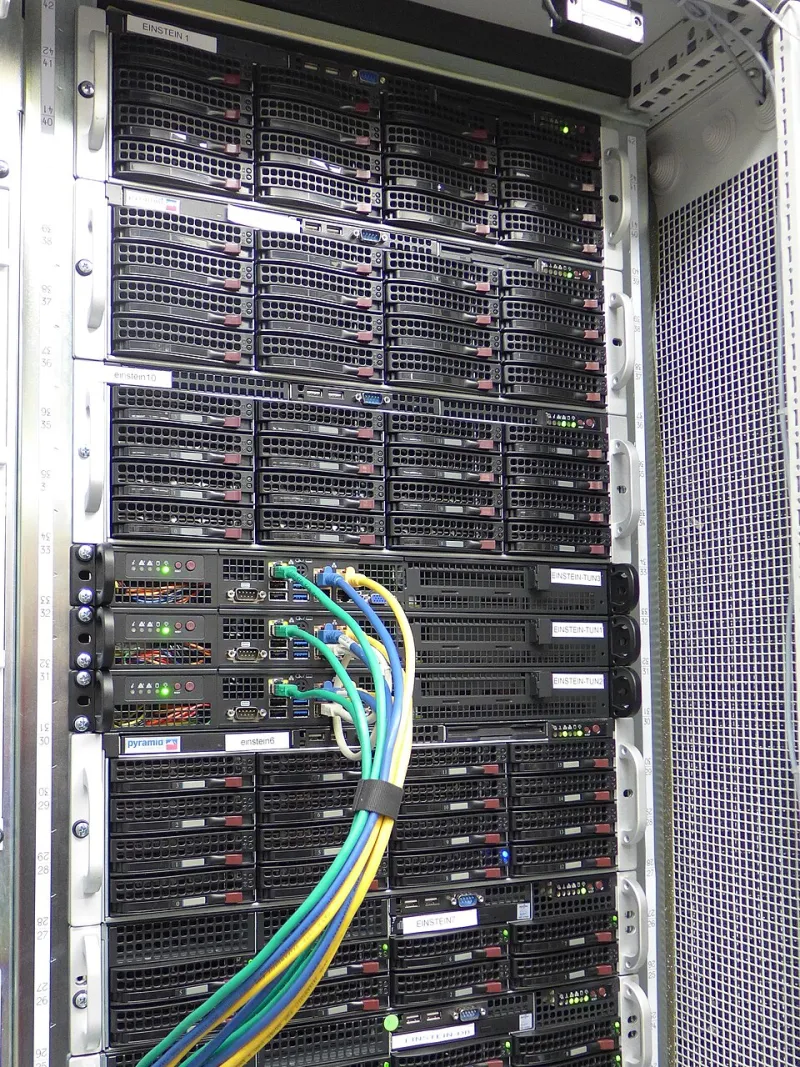
Photo: Ehrobod01, CC BY-SA 4.0, via Wikimedia Commons
There's a particular kind of person who reads a tutorial about self-hosting email and thinks, how hard can it be? I am that person. For ninety days, I ran my own mail server on a modest VPS in Dallas, sending and receiving everything through a domain I own outright. No Gmail, no Fastmail, no middleman. Just me, Postfix, Dovecot, and an escalating series of problems.
Here's the summary up front: it works, it's a constant low-grade chore, and I now understand — with the weary clarity of a reformed man — why nobody does this anymore.
Week One: The Honeymoon Phase
The initial setup was almost insultingly easy. A Debian box, DNS records pointed correctly, and there it was: my own mail server, answering on port 25 like it's 2004. I sent a test email to my wife's Gmail account. It arrived. I felt like a god.
Then I emailed a friend with an iCloud address. Nothing. No bounce, no error, no anything. Her provider had swallowed my message whole and moved on with its day.
Welcome to the central truth of self-hosted email in 2025: the hard part isn't running a server. It's convincing other servers to talk to yours.
The Silent Rejection Economy
Email is an open protocol in theory. In practice, the big providers have quietly built a bouncer at the door who doesn't explain himself. During my ninety days, I kept a spreadsheet (of course I did) of every delivery failure and its cause:
- Greylisting: my first email to any new recipient got deferred, sometimes for hours. Annoying but legitimate.
- IP reputation: my VPS provider's address ranges are, apparently, guilty until proven innocent. Several hosts simply refused connections from anything resembling a data center IP.
- Silent drops: the worst category. Gmail accepted the message and never delivered it. No bounce message. It just... vanished. I only discovered this because my friend asked why I never replied to an email I definitely replied to.
That last one deserves emphasis. A major American email provider can accept your message and discard it without telling anyone, and this is considered normal, acceptable infrastructure behavior. Imagine if USPS did that.
Spam Filtering: Becoming the Janitor
Running your own server means you also become your own spam department. I installed Rspamd, spent two evenings tuning it, and got reasonably good results — maybe 95% of junk caught. But that remaining 5% is a firehose.
For comparison, Gmail's filter is so good that most of us have forgotten spam exists. Mine, by contrast, required weekly attention like a feral cat. Miss one tuning pass and I'd come back to 400 messages about extended car warranties for a vehicle I don't own.
What Actually Broke
A greatest-hits reel:
- The rDNS problem. My provider's default reverse DNS didn't match my mail domain, and several recipients rejected me instantly for it. Fixed in a support ticket, but only after three days of mystery bounces.
- A DKIM key typo. One wrong character in my DNS record and Yahoo started rejecting everything with an error message written in what I can only describe as aggressive acronyms.
- A Tuesday morning outage. The VPS rebooted for maintenance, my mail queue jammed, and I lost about an hour of incoming messages. When Gmail has an outage, it's a news story. When my server has one, it's a Tuesday and it's my fault.
The Takeaway: Why Email Survives Anyway
Here's the thing that surprised me most. Email is one of the last truly federated communication systems we have. Nobody owns it. Any server that speaks SMTP can talk to any other, at least in principle. Compare that to messaging, where every platform is a walled garden with a toll booth.
The open protocol survived. What died is the open mindset — the era when ordinary people expected to run their own mail the way they'd run their own website. Deliverability politics killed that. When the largest recipients can silently refuse your mail, "just run your own server" stops being practical advice for most people and becomes a hobby, like ham radio.
And honestly? I think that's fine, as long as we're honest about the trade. Gmail's convenience cost us something real — a single company can deplatform your correspondence, scan it for ad signals, and lock you out on a whim. Self-hosting gives that back. But it charges you in time, vigilance, and the occasional mysteriously vanished message to your aunt in Ohio.
Should You Do It?
A practical scorecard from my ninety days:
- Do it if: you're technically curious, you want a mail server for a small domain, and you treat deliverability problems as puzzles rather than betrayals.
- Don't do it if: email is mission-critical, you need it to "just work," or the phrase "reverse DNS PTR record" makes you tired.
- Middle ground: use a relay service like Mailgun or a provider like Fastmail with your own domain. You keep the address portability — the part that actually matters — without becoming a part-time mail administrator.
My server is still running as I write this. I've grown weirdly attached to it, the way you get attached to a car that's unreliable but yours. But when someone asks me for advice, I tell them the truth: the protocol is worth defending, and Gmail has never looked so good.
Both things can be true. That's the whole problem.