30 Days, Zero Subscriptions: My Open Source Mac Experiment Didn't Go How I Expected
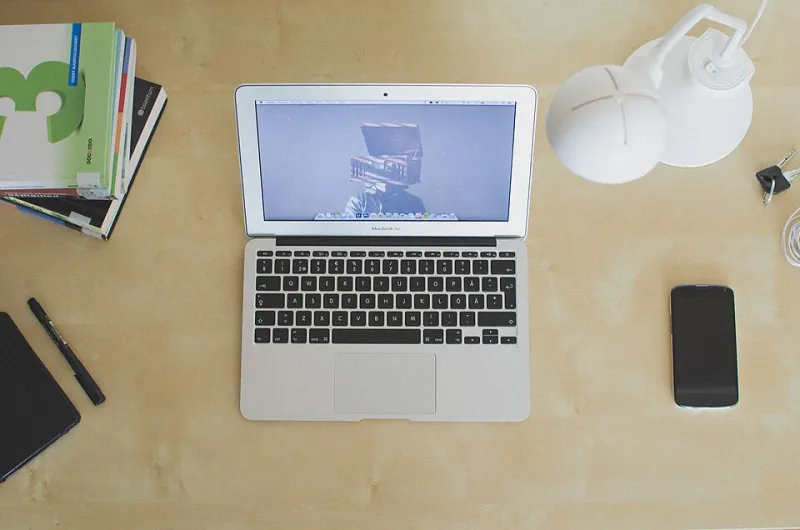
Photo: Aleksi Tappura a, CC0, via Wikimedia Commons
My software subscriptions hit $63 a month in March. That's a car payment's sketchy cousin, going out to apps I barely opened. So I did what any reasonable person with a MacBook and a grudge would do: I nuked everything paid and went full open source for 30 days.
The rules were simple. No subscription apps, no trials that nag me to upgrade, no freemium guilt trips. Just FOSS, cold turkey. Here's the scorecard after the dust settled.
Password Management: Bitwarden vs. Whatever I Was Overpaying For
This was the scariest swap. Password managers are the last app you want to fumble, and I'd been paying $36 a year for a service whose name rhymes with "blastoise."
Bitwarden's import took ten minutes, including migrating my wife's shared vault. The browser extension is solid, the iOS app is fine, and the free tier covers literally everything I need. The UI is a bit more utilitarian — think Honda Civic, not — but it opens my damn doors.
Verdict: Stuck permanently. Saved $36/year and gained self-hosting as an option down the road. Easiest win of the whole experiment.
Image Editing: GIMP and Krita vs. Adobe's Monthly Rent
Photoshop and I have been in a codependent relationship since 2009, and Adobe's pricing has been testing that bond for years. For the experiment, I installed GIMP for quick edits and Krita for anything illustration-adjacent.
Krita genuinely impressed me. The brush engine is excellent, and for digital art it's honestly competitive with stuff costing ten times more. GIMP is... GIMP. It works, but the interface feels like it was designed by someone who hates interfaces. The single-window mode helps. The muscle memory retraining does not.
Verdict: Krita stuck for art, GIMP got demoted to "emergency only." I still keep a lightweight paid editor for batch photo work, but Adobe is gone. That's $20/month I'm not missing.
Writing and Code: Obsidian Alternatives and the VS Code Question
Full disclosure: VS Code is already open source-adjacent, so my coding setup survived untouched. The interesting fight was note-taking. I'd been paying for a notes app that shall remain nameless because it rhymes with "otion."
I tried Joplin, which syncs via my own Dropbox and does markdown natively. It's clunkier and the search is weaker, but my notes are mine — plain files, exportable forever, no lock-in. There's a certain peace in knowing no company can ever hold my grocery lists hostage.
Verdict: Half-stuck. I kept Joplin for personal notes and went back to my old app for work collaboration. Compromise is part of adulthood, apparently.
The Ones That Didn't Survive the Month
Honesty time. LibreOffice replaced Microsoft 365 and lasted exactly six days before a client sent a .docx with formatting that collapsed like a folding chair. It's fine for writing; it's a gamble for sharing documents with people who use Word professionally. I also bounced off Inkscape for vector work — powerful, but the learning curve hit me like a Seattle hill on a fixed-gear bike.
What the Month Actually Taught Me
The money math was real: I cut roughly $55/month in recurring costs. But the bigger shift was psychological. Paying for software had made me a passive consumer; using FOSS made me think about what I actually need versus what I was renting out of habit.
Not everything open source is ready for prime time, and pretending otherwise is how you burn a weekend. But some of it — Bitwarden, Krita, Joplin — is better than the paid stuff in every way that matters. The trick is knowing which is which, and the only way to find out is to try.
Cancel one subscription this week. Just one. See what happens.